
From budgeting to a financial plan of their own: what teenagers gained from Smart Money Camp 2026
Forty-five teenagers joined Smart Money Camp 2026 with support from the Kredobank Foundation. Over seven days, they practised budgeting, saving and investing, and after the programme more participants had a financial plan of their own.
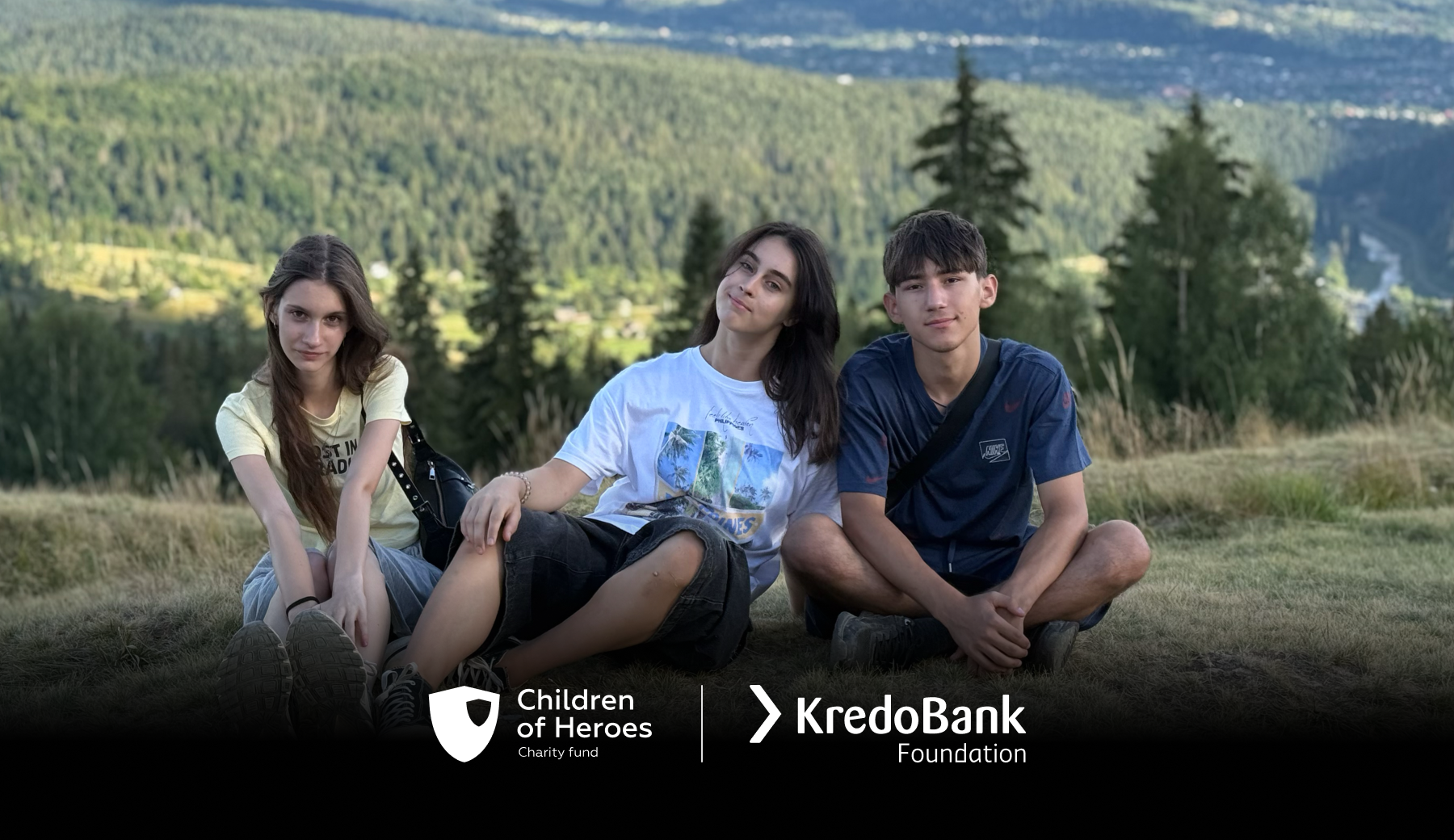
After returning from Smart Money Camp, 16-year-old Vadym spent several days telling his mother about the camp, what he had learnt and the people he had met. She noticed that he had become more open and calm, and particularly remembered the enthusiasm with which he continued talking about the camp once he was back home.
Vadym was one of 45 teenagers aged 14–17 who took part in Smart Money Camp in Yaremche this August. Children of Heroes Charity Fund delivered the programme with the support of the Kredobank Foundation for children who have lost one or both parents due to the war.
The Fund received 75 applications, including motivational videos in which teenagers explained why they wanted to learn more about finance, what experience they already had and what personal goals they were saving towards. Following the selection process, 45 teenagers joined the programme, demonstrating a clear interest in financial planning, investing and other topics covered by the camp.
Financial decisions are gradually becoming part of teenagers’ everyday lives: making their own purchases, saving money, earning their first income and setting goals they want to save towards. Smart Money Camp was designed as a space where they could learn how to manage their own resources and immediately put new knowledge into practice.
A fictional character making very real financial decisions
The learning programme was built around practical exercises. Participants worked on financial goals, budgeting, saving and investing, while also developing their own business ideas.
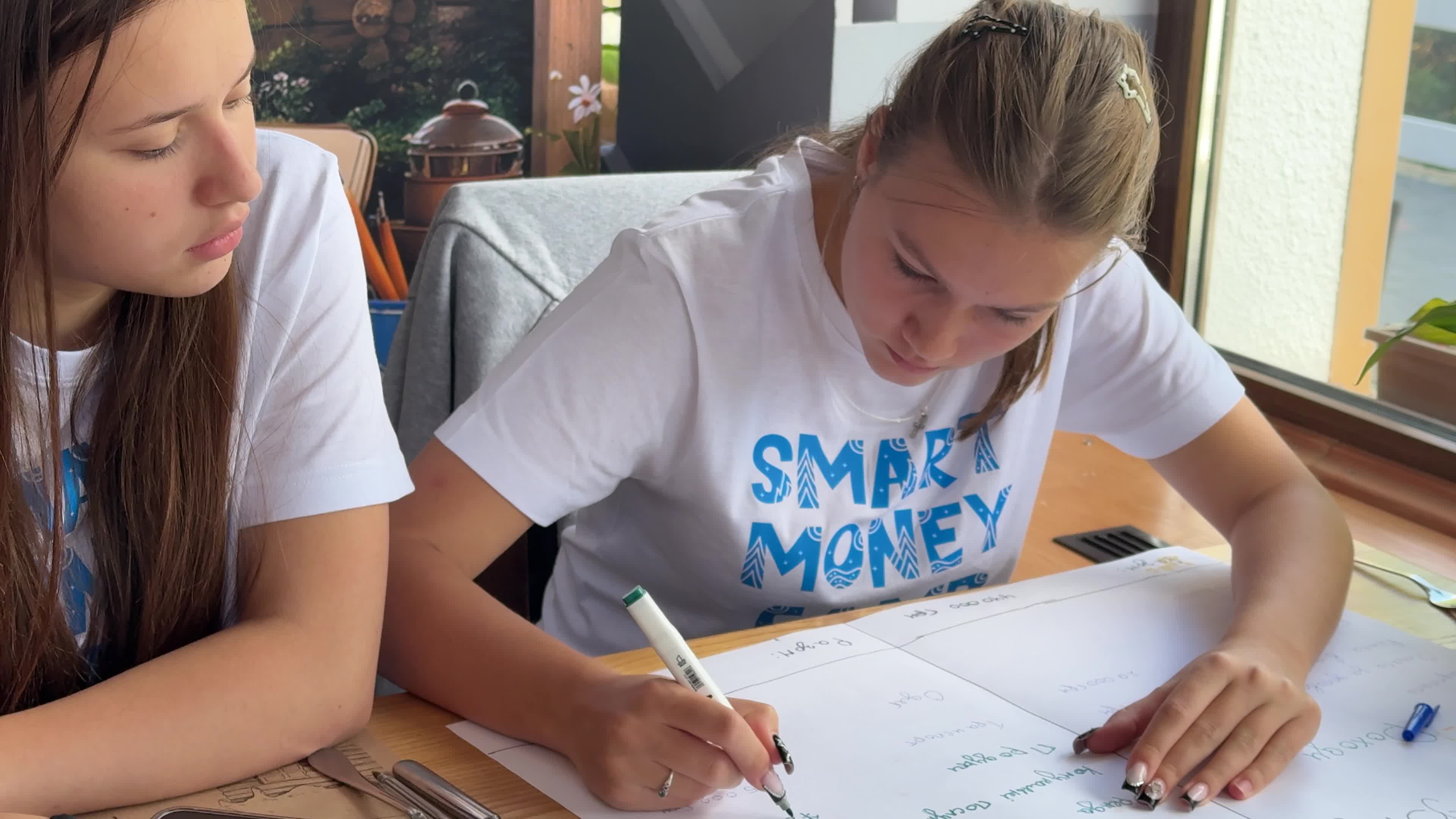
One of the activities running throughout the programme centred on a fictional character — an avatar. Teenagers identified the avatar’s resources and financial goal, created a budget and decided how the available money should be used. The circumstances then changed, requiring them to revisit their earlier decisions.
This allowed participants to explore financial management through specific situations. How much can you spend if you have a fixed income? How much should you set aside? How can you save towards a particular goal? What happens to your plan when an unexpected expense arises? Participants could see the consequences of their choices, recalculate the budget and try a different approach.
The programme progressed from basic concepts to more complex ones: from identifying available resources and setting financial goals to budgeting, saving, investing and entrepreneurial thinking. Practical activities also included the ‘Business in 5 Minutes’ game, in which participants developed their own business ideas.
A space for learning, connection and recreation
Financial education sessions were one part of the programme. Participants also hiked Mount Makovytsia, took part in sports and yoga, attended a movement workshop, joined a photography competition, themed parties and other group activities.
In their feedback after the programme, families often highlighted the combination of different elements across the seven days. The mother of one participant wrote:
‘At this camp, the children had the opportunity to enjoy the beautiful scenery of the Ukrainian mountains while also gaining knowledge that is very useful in everyday life. Combining learning with recreation is fantastic!’
Other parents also wrote about the new connections, knowledge and experiences their children brought home. Karolina’s mother highlighted the ‘care, attention, interesting activities and new connections’, while another family expressed their thanks for the ‘engaging sessions and memorable experiences’ the children had during the camp.
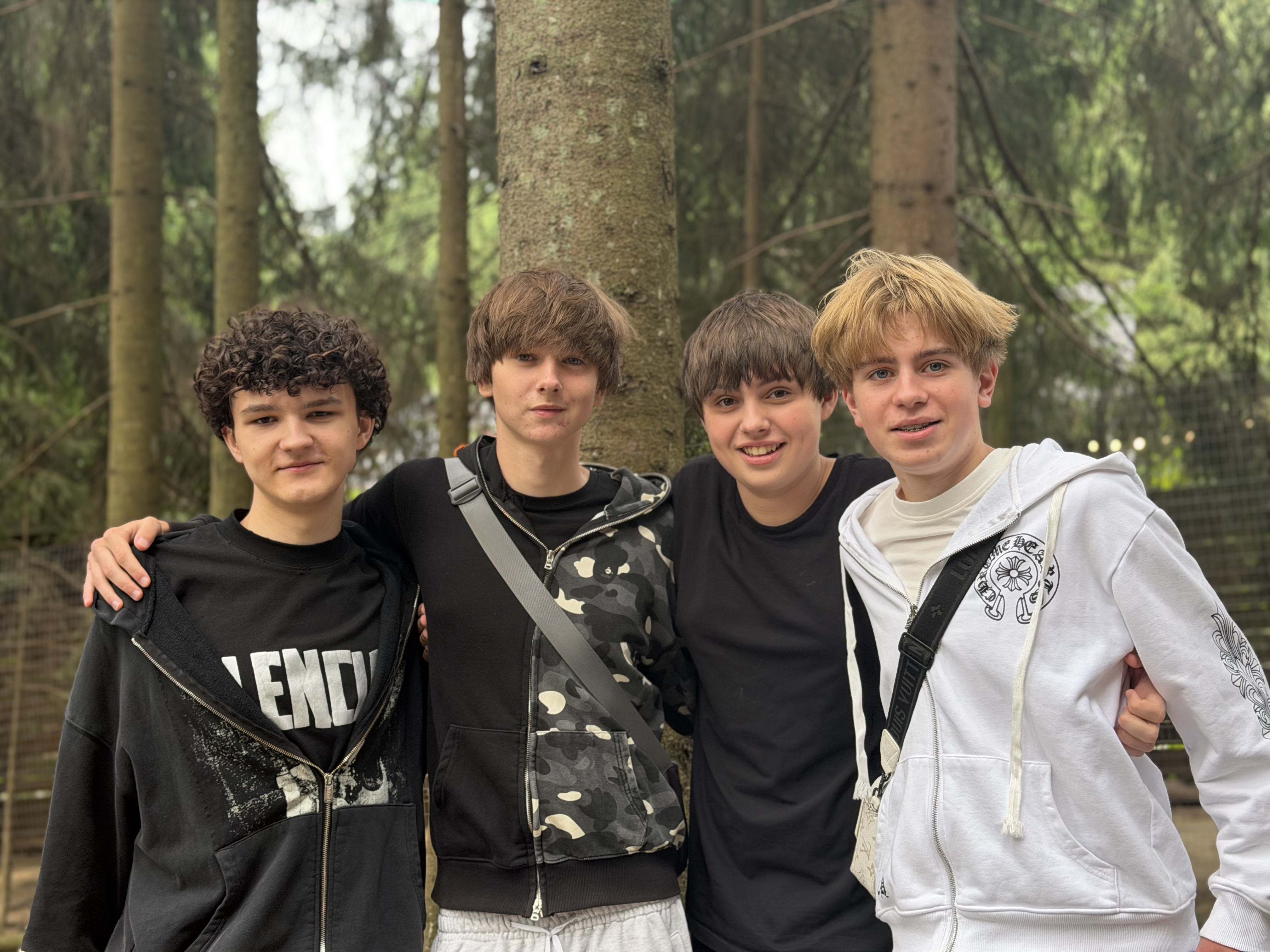
This feedback complements the survey results: for participants, Smart Money Camp was a week in which financial education formed part of a broader shared experience, combining practical tasks, new connections, activities and time to relax.
Psychological support as part of the programme
Smart Money Camp participants are teenagers who have experienced the loss of one or both parents due to the war. Psychological support was therefore integrated into the educational programme.
During group sessions, the teenagers explored their current state and personal resources, ways to support themselves in difficult situations, communication and relationships with peers. Psychologists used art therapy techniques and metaphorical associative cards.
At the same time, every participant had access to individual support. During the programme, psychologists provided nine individual consultations, with two children returning for further sessions. The issues raised included a lack of confidence in their own abilities, interactions with peers, communication with their mother following a bereavement, the experience of loss itself and the need for emotional support.
The experience of Smart Money Camp demonstrated the role psychological support can play within educational programmes. Having specialists present meant that children’s individual needs could be addressed as they arose.
What changed in seven days
Feedback from the children and their families reflects their personal experience of the programme. Pre- and post-programme surveys also made it possible to assess changes specifically in participants’ financial knowledge and skills.
The greatest progress was recorded in understanding budgeting and managing personal finances: participants’ average score increased from 3.2 to 4.2. Financial confidence increased from 3.6 to 4.2.
The way teenagers planned to manage their own money after the programme also changed. The proportion of participants with their own financial plan increased, while the financial goals they set became more specific. In the final survey, teenagers said they planned to keep a budget, save money, plan their income and expenditure, and make more considered financial decisions.
Participants rated their overall satisfaction with the programme at 8.9 out of 10, while Smart Money Camp’s alignment with their expectations received an average rating of 4.5 out of 5.
A partnership supporting greater independence
Smart Money Camp 2026 took place with the support of the Kredobank Foundation. Through this partnership, 45 teenagers received seven days of practical financial education in a setting where they could learn, connect with their peers and access psychological support when needed.
For Children of Heroes Charity Fund, developing these skills is part of its long-term support for children. As they grow older, each of them will need to make increasingly independent decisions about education, work, their own income, spending and future goals. Smart Money Camp gives them an opportunity to begin preparing for some of these decisions today.
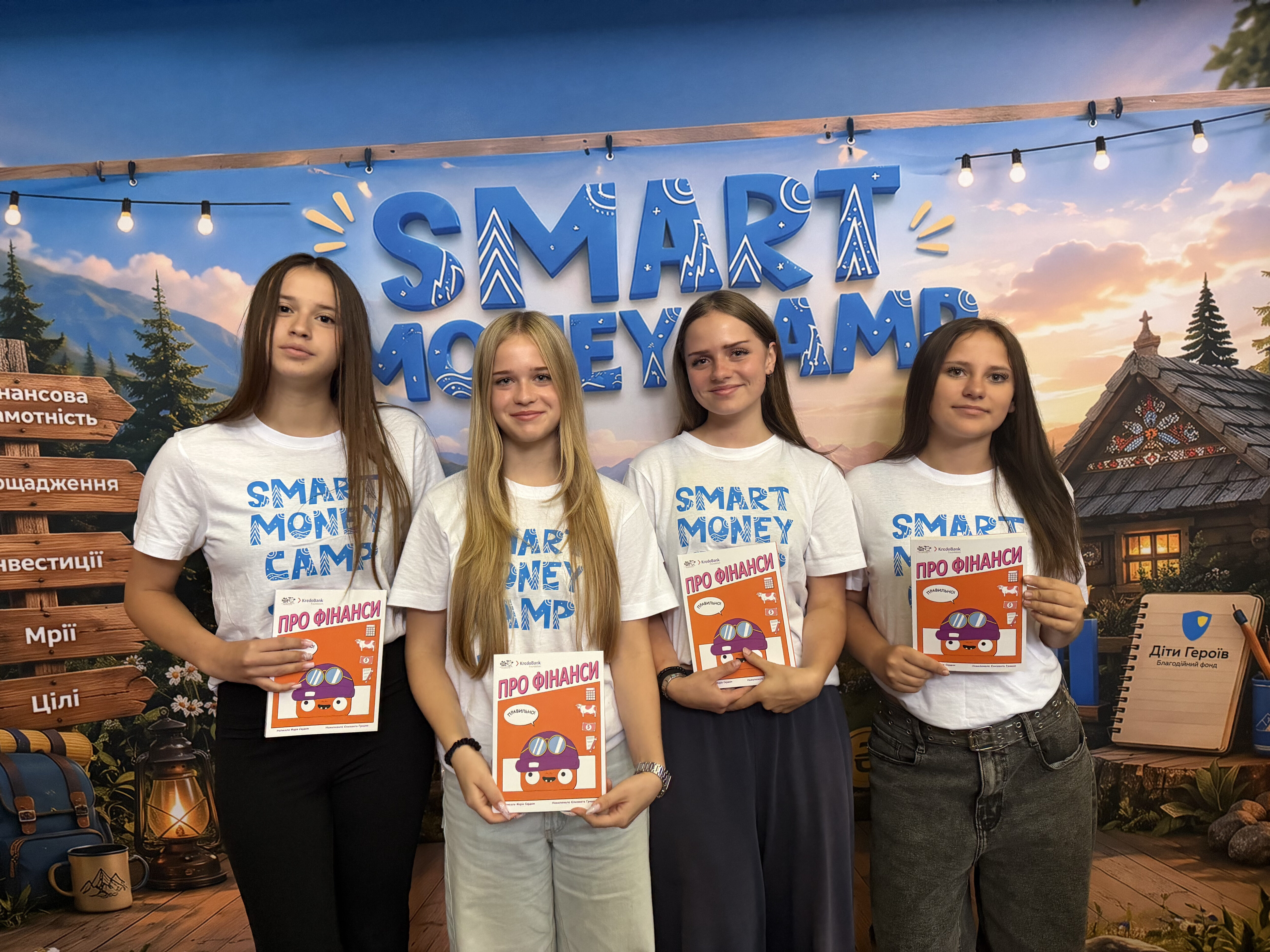
We thank the Kredobank Foundation for its partnership and for investing in practical skills that can help teenagers become more financially independent and plan their own futures with greater confidence.
