

Svitliachok in the Carpathians in partnership with Crédit Agricole: two June camps for mothers and children
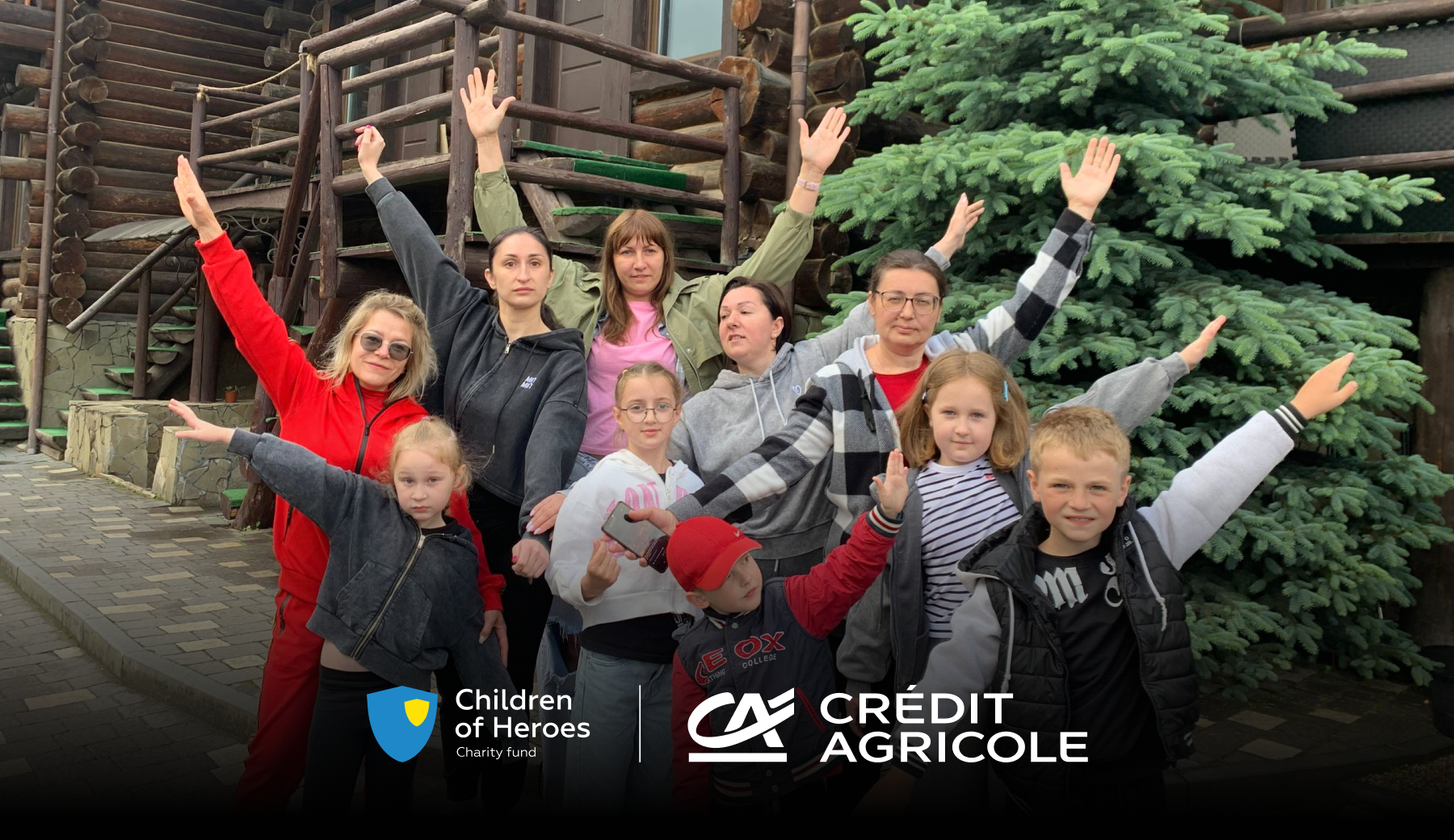
‘Thank you to the wonderful Svitliachok team. You truly gave us a chance to rest… this time was ours! It was a wonderful break for both body and mind,’ wrote the mother of one participant after returning home.
In June, the Svitliachok project ran two camps. The first took place from 1 to 7 June 2026, and the second from 15 to 21 June. Both were held at a hotel in the village of Polianytsia, near Bukovel.
Together, the two camps welcomed 161 participants: 84 children aged 3 to 10 and 77 mothers and guardians. The children came from different regions of Ukraine, from Zakarpattia to Kharkiv region. This was made possible with financial support from the Crédit Agricole Group Foundation, which covered accommodation and meals for families, the work of psychologists, activity materials, insurance, transport and excursions. For a family that has lost a loved one, this is a rare opportunity for the child and caregiver to recover at the same time, rather than one after the other.
Svitliachok differs from our other socialisation projects because it gives younger children, who are not yet able to travel and take part independently, the opportunity to attend together with their mother or guardian. The adult stays alongside the child while taking part in a dedicated psychological support programme of their own.
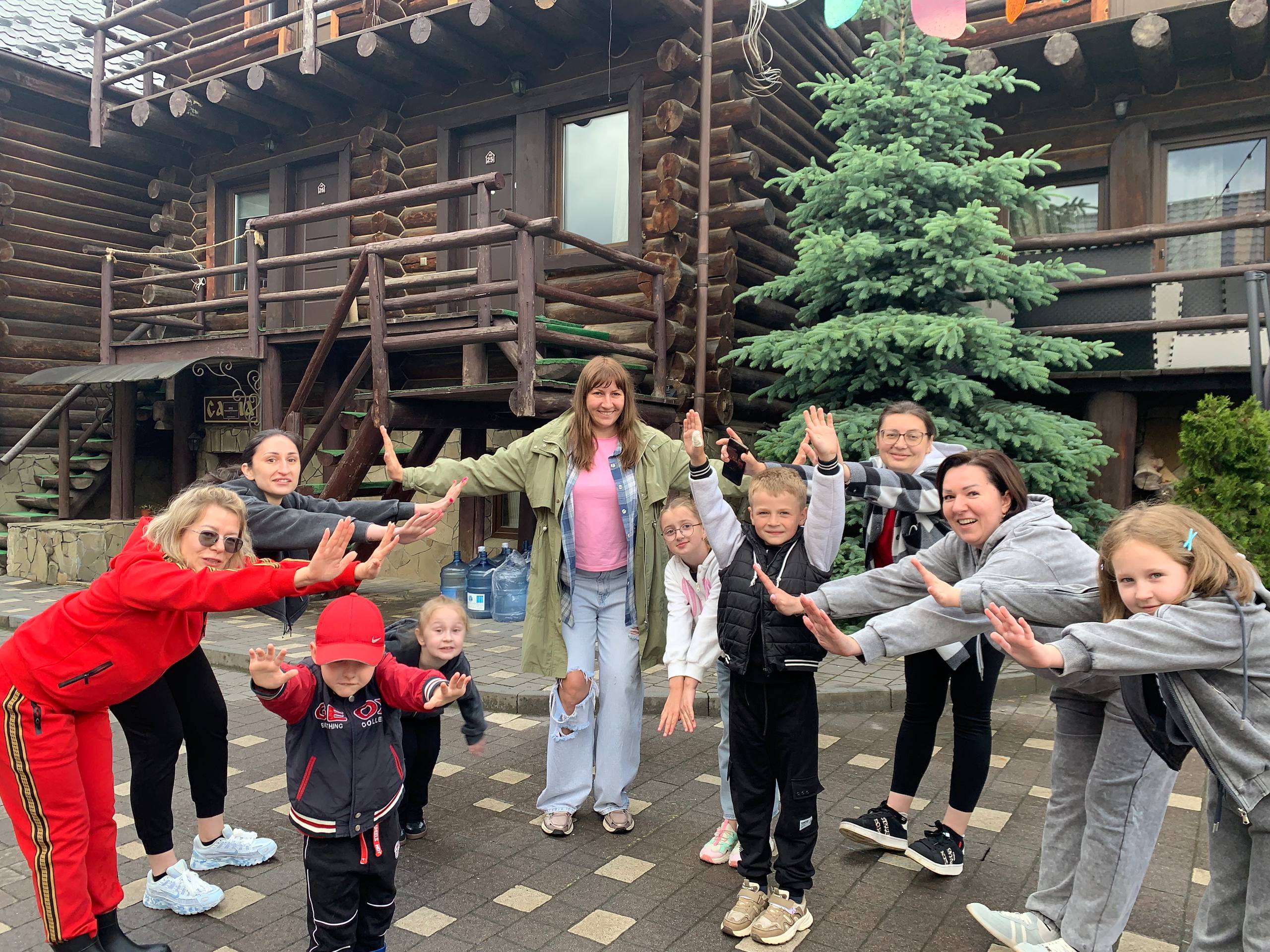
What the camps involved
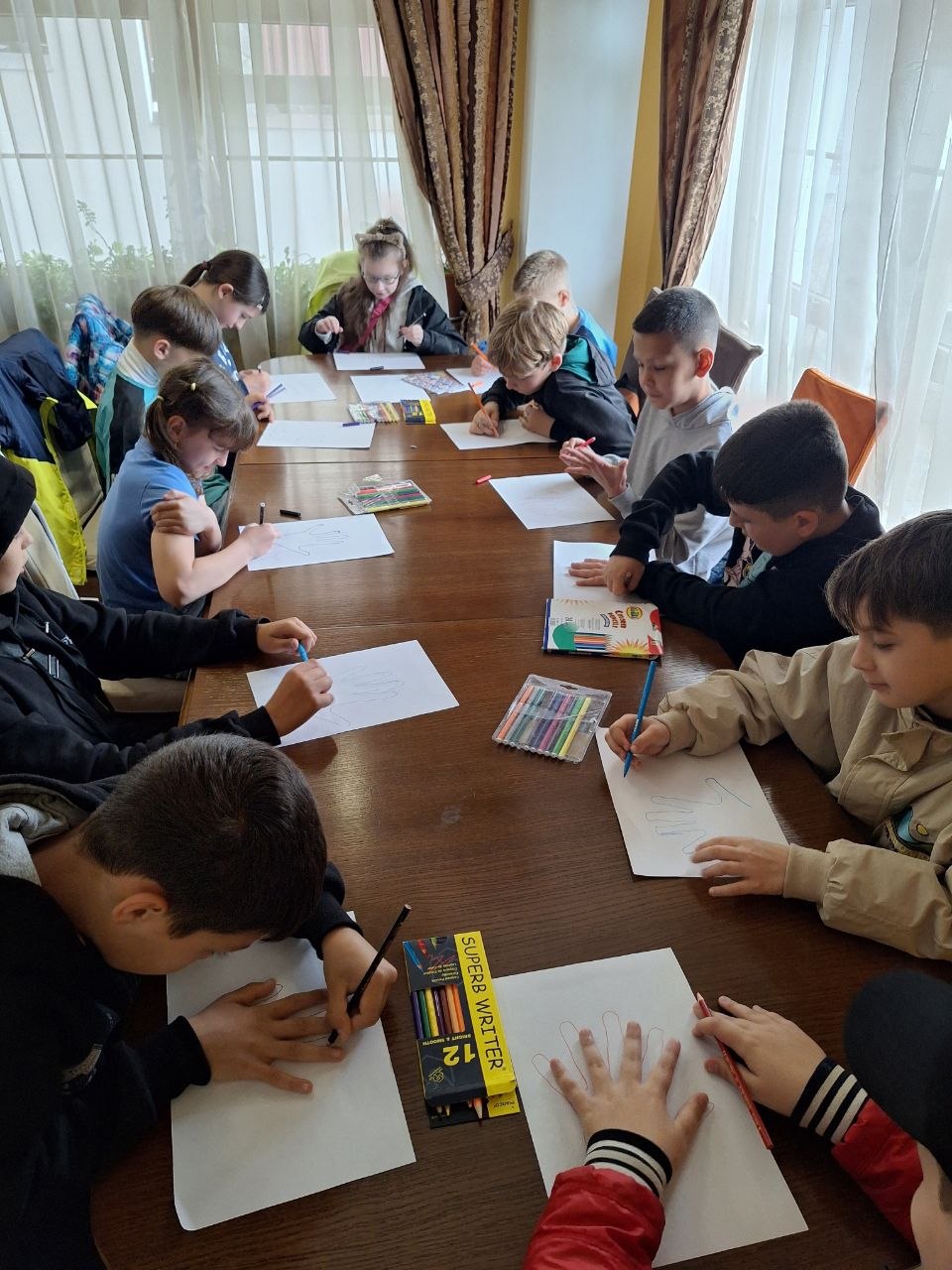
The children’s programme included art therapy, creative activities, games and group sessions. Children who found it more difficult to join the group or needed additional psychological support received individual support from a psychologist.
At the same time, mothers attended psychoeducational sessions, individual consultations, restorative sessions and peer-support groups, where women with similar experiences could talk to one another without having to explain the context behind what they had been through. Psychologists observed that after the psychoeducational and restorative sessions, the number of requests for individual consultations increased noticeably. Mothers became more confident that speaking with a psychologist could help them and were more willing to share their experiences. For some participants, this was their first experience of working with a psychologist.
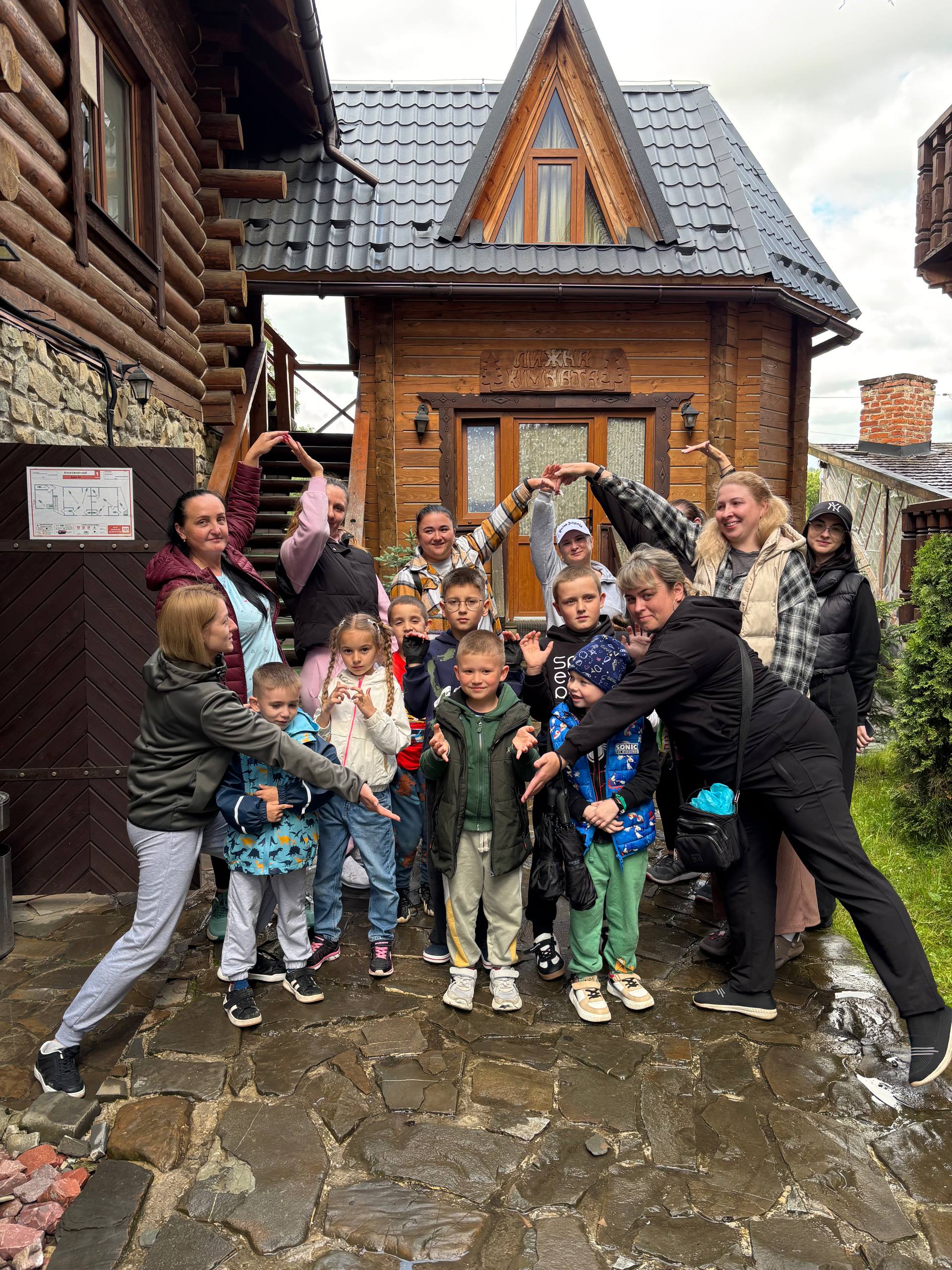
Outside the sessions, families took part in excursions, walks in the mountains, evening activities and spent time together without the pressures of everyday responsibilities.
What changed
The mothers’ psycho-emotional wellbeing was assessed at the beginning and end of each camp.
Before the first camp, a significant proportion of the women were experiencing elevated stress and varying degrees of emotional exhaustion. By the end of the camp, the average level of tension and stress among surveyed participants had fallen from 5.5 to 3.2 points. Psychologists also recorded improvements in overall emotional wellbeing and lower levels of exhaustion.
One of the clearest indicators of the programme’s effectiveness during the second camp was the reduction in anxiety. At the beginning, 17.6% of participants reported low levels of anxiety; by the end, this had risen to 69.1%. The proportion of women experiencing noticeable anxiety fell from 32.4% at the beginning to 5.5% at the end. At the start of the camp, 2.9% of participants showed the most severe levels of anxiety; by the end, none did.
Levels of exhaustion changed as well. By the end of the second camp, none of the participants had high levels of exhaustion, while 26 of the 34 women surveyed were in a comfortable or relaxed state.
Psychologists also observed changes in the children’s engagement over time. Most participants gradually became more involved in group activities, more willing to share their experiences and more open to interacting with others.
What families say
Platon attended the first camp with his mother, Svitlana. The family spent several weeks living under occupation before relocating to western Ukraine. In October 2023, they lost their husband and father.
‘My son Platon loves football, so he quickly made friends to play football and other games with. After we returned home, he kept talking about the camp for a long time and missed the friends he had made there,’ says Platon’s mother.
Nastia and Pavlo attended the second camp with their mother, Olesia. Their father was killed while carrying out a combat mission in October 2024, and the family later relocated from Zaporizhzhia to Dnipro because of the security situation.
‘After the project, Nastia became more open, made friends and became more cheerful, while Pavlo became more confident. What helped us most was being able to connect in person with people who understood our experience, the support from psychologists, meeting new people and taking part in activities together,’ says Nastia and Pavlo’s mother.
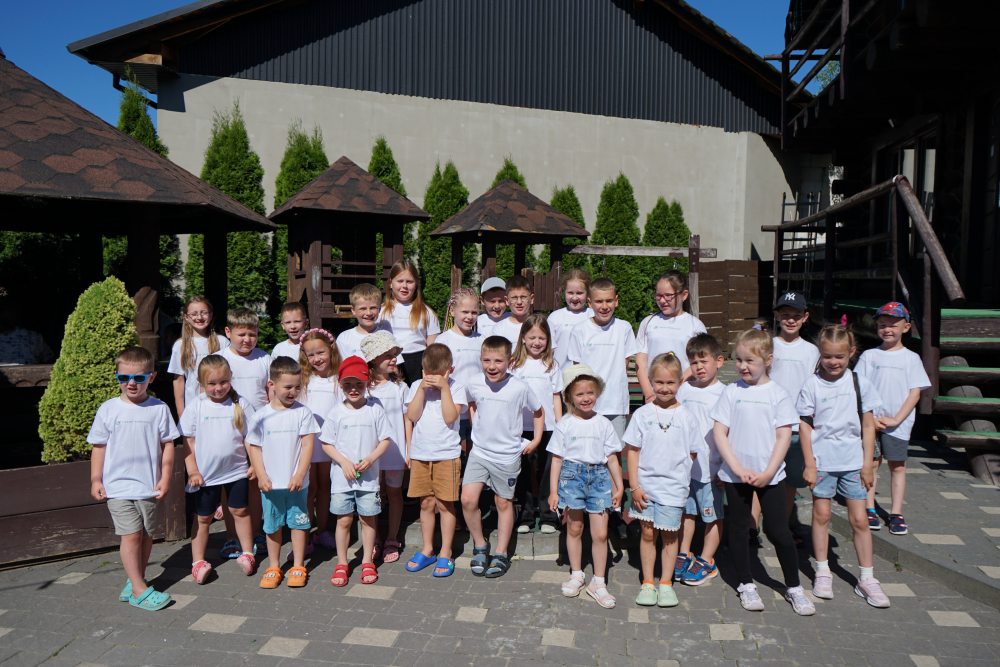
Thank you for this investment in families’ psychological wellbeing and socialisation.
‘For a child of three, five or ten, a week in a safe environment, with games, creative activities and other children around them, can be a first step towards recovery. At this age, children do not always express what they are experiencing in words. They communicate it through play, drawing and their willingness to engage with others. This is what the camp’s psychologists work with. At the same time, mothers receive support of their own and have an opportunity to restore the resources they draw on every day to care for their children. The impact of this investment can be seen over time: lower anxiety, easier adjustment to social settings and stronger connections within the family. These are some of the foundations for long-term recovery after loss.‘
Tetiana Zarytska, Socialisation and Psychological Support Program Director, Children of Heroes Charity Fund
‘Charitable giving is an integral part of Crédit Agricole Group’s global strategy. We believe that by supporting children affected by the war who have lost those dearest to them, we are contributing to Ukraine’s future development. The children’s camps organised together with Children of Heroes Charity Fund gave children an opportunity to recover emotionally, rest, spend time with others and enjoy the simple pleasures of childhood. Children are our future, and today we must do everything we can to help make that future strong and happy.’
Crédit Agricole Group Foundation
The next camp
Svitliachok continues. The next camp will take place from 30 August to 5 September 2026 and is also supported by the Crédit Agricole Group Foundation, which has covered the cost of the camp for 40 children.
Thank you for this important investment. A format in which a mother and child can recover alongside one another helps families strengthen their connection, gives women experience of seeking and receiving support, and gives children a safe circle of peers. These are the foundations of the longer-term recovery that the programme is designed to support.
