

Strength Within You in the Carpathians: twelve days of psychological recovery, in partnership with Crédit Agricole
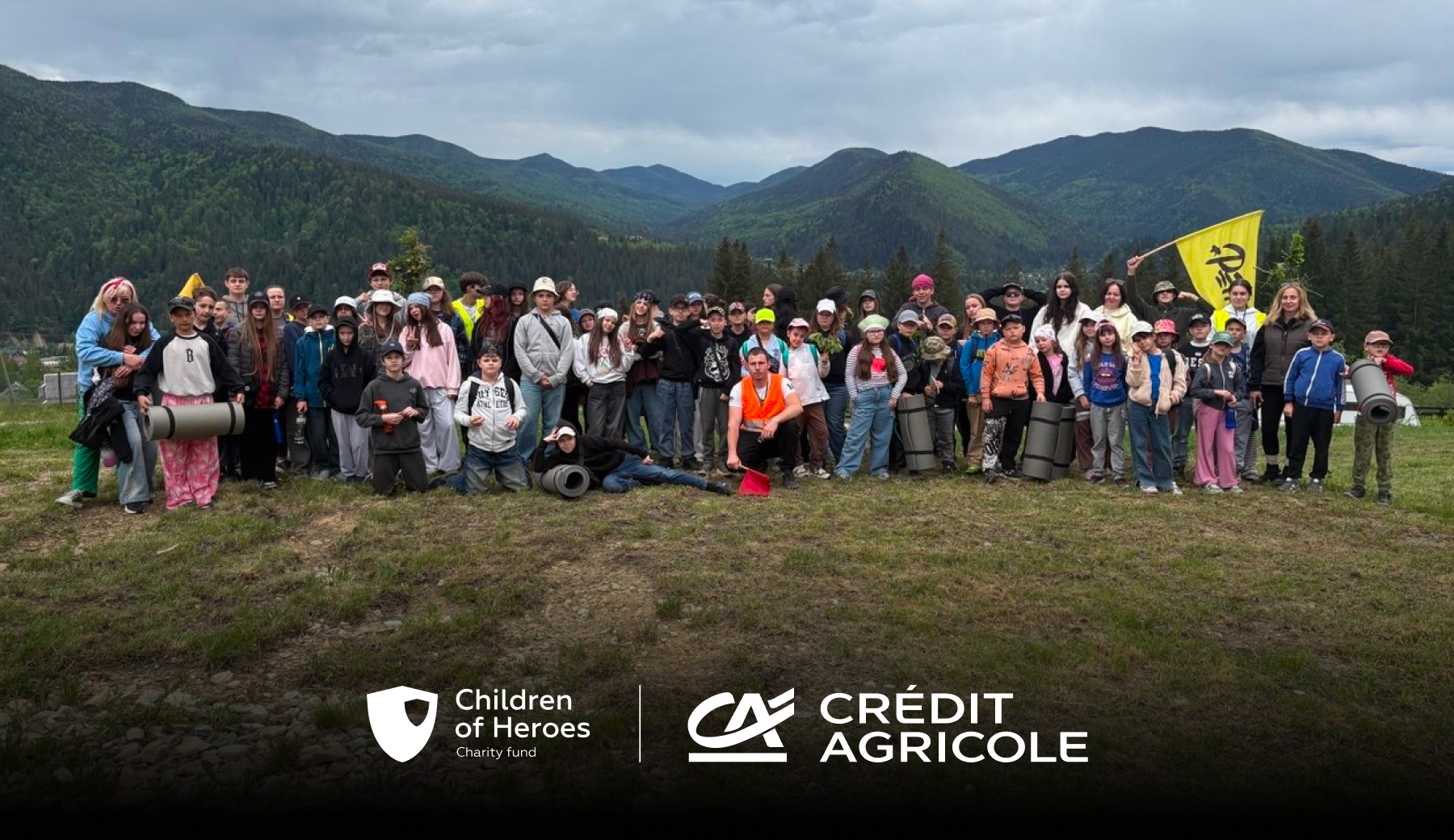
«What the children remembered most was feeding the animals at the zoo, painting on different objects, making jewellery, talking to the other participants and working with the psychologists,» wrote the mother of Yehor and Ulyana from Kryvyi Rih after her children came home.
That is how twelve days in the mountains passed for 60 children who have lost one or both parents to the war.
The Strength Within You psychological recovery session ran from 27 May to 7 June 2026 at the Petros camp in the Ivano-Frankivsk region. It was made possible by the Crédit Agricole Group Foundation, which funded the programme in full — from travel and accommodation to the psychologists’ work and the materials used in sessions.
Strength Within You is a psychological recovery project run by the Children of Heroes Fund. We created it after three years of working with bereaved children, and built it around a simple premise: a child needs professional psychological support alongside rest and new friendships.
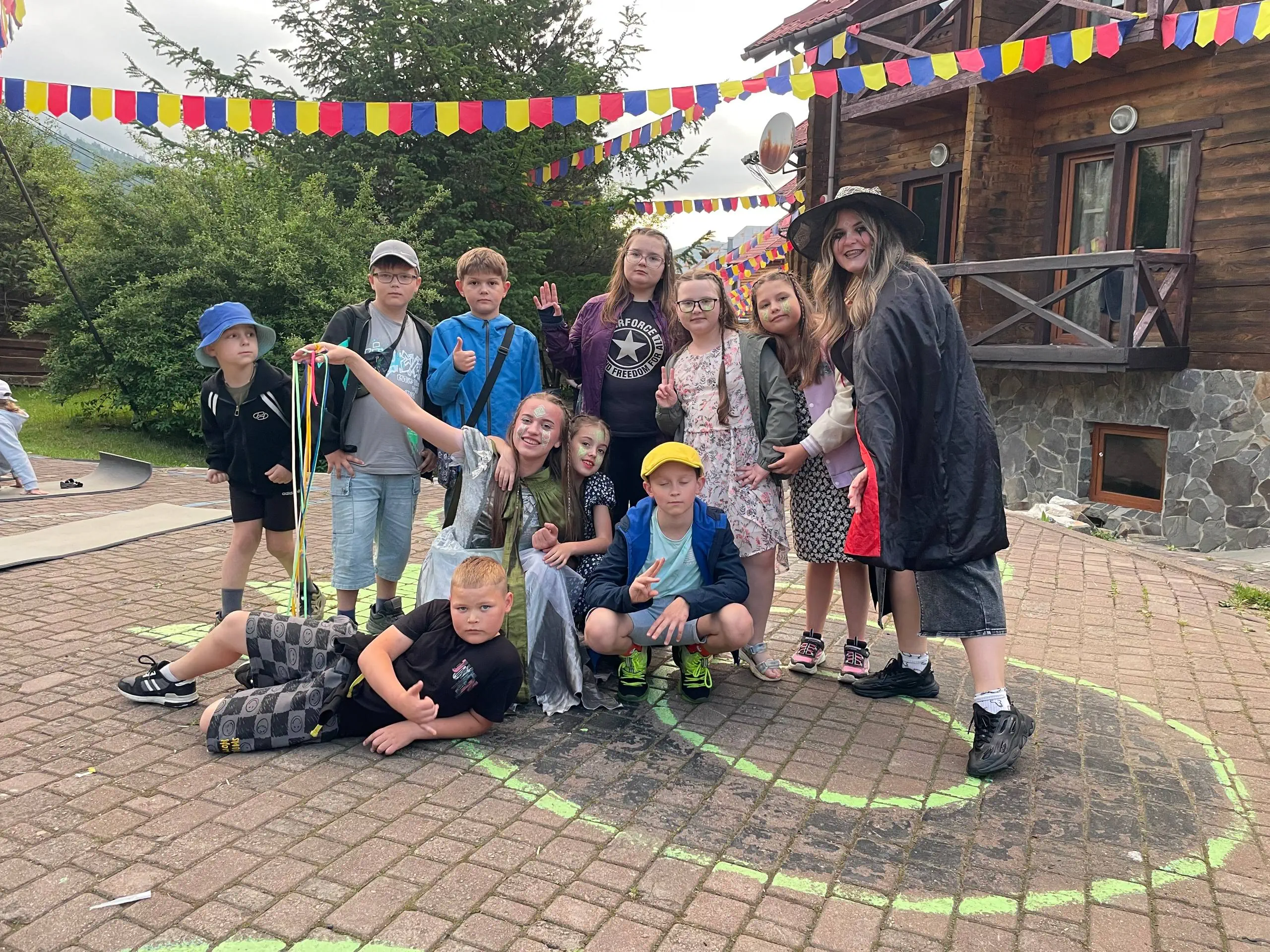
How the session is structured
Participants were aged between 8 and 16. Six psychologists worked with them, led by a supervising psychologist-methodologist.
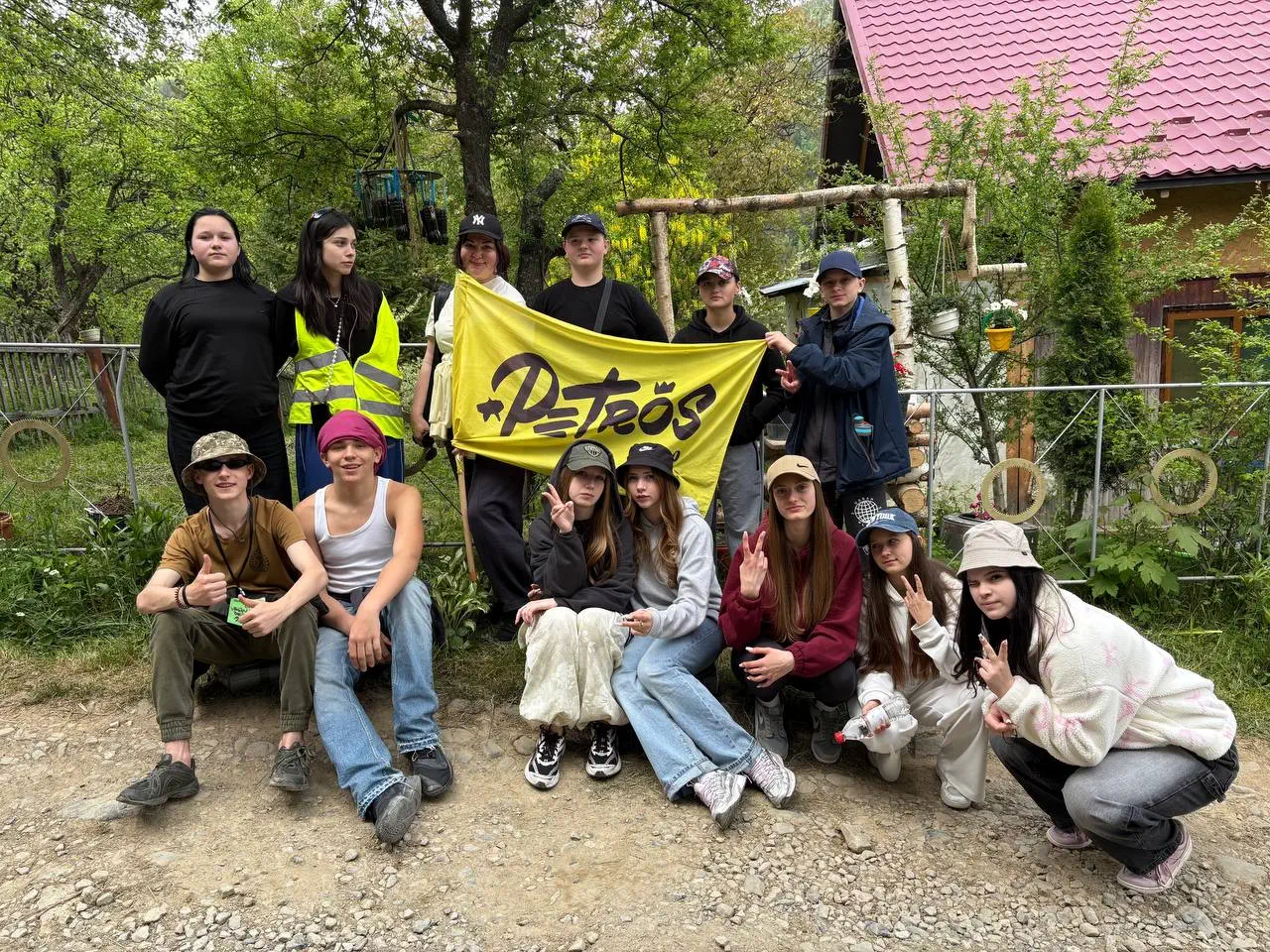
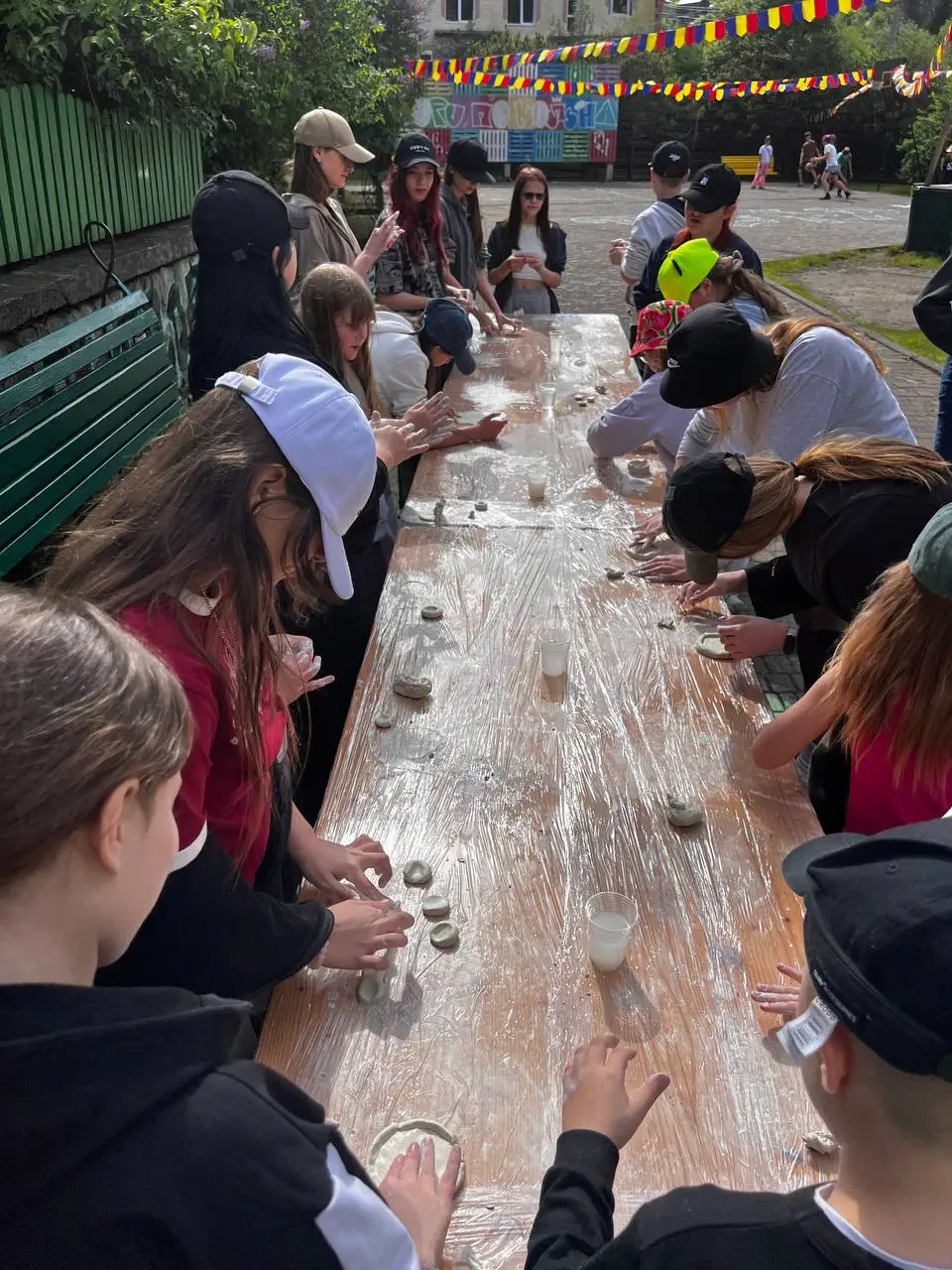
The psychological component included support groups, individual consultations, art therapy and sessions on self-regulation skills. Running alongside it was the rest and socialisation component: creative workshops, team games, excursions, the zoo, and sporting and recreational activities.
Each child’s psychological state is assessed twice — before arrival and after the session ends — using standardised psychological scales. This allows us to identify early on which children need more support from the psychologists during the project, to see what specifically has changed, and to work out who needs continued support once they are home. The total budget for the session was UAH 1,654,891.80.
What changed over twelve days
An analysis of the children’s psycho-emotional state carried out before the project showed that some of them experience intrusive memories: difficult images from the past return of their own accord, and the child relives what has already happened. At the start of the session, 1.7% of participants reported these experiences at a high level; by the end, none did. The proportion of children for whom such memories are least present rose from 81.6% to 91.7%.
The second change concerns avoidance — the habit of steering clear of the topics, places and feelings that are reminders of the loss. There was movement here too: the number of children who rarely resort to avoidance rose from 76.7% to 83.3%.
The psychologists note that some participants still show signs of emotional strain after the session. These are connected to the loss itself, to anxiety about safety once back home, and to the end of the session and parting from new friends. For these children, psychological support continues after the camp.
What families say
Denys from Nizhyn came to the camp after the death of his father, who had been seriously wounded at the front. His mother applied with a specific request: that her son could switch off, meet children his own age and spend time among other children.
«Since coming back, Denys has been calmer, he has new friends and a lot of positive impressions,» his mother says.
Further feedback sent in by families:
«Thank you very much for organising the camp so well. Communication throughout was excellent — we could always get the information and support we needed.»
«After the camp I noticed positive changes: my son pays more attention to his younger brother and has taken an interest in history. I particularly want to mention the team’s care: when my child fell ill, they treated her as one of their own, took her to hospital and kept checking on her condition.»
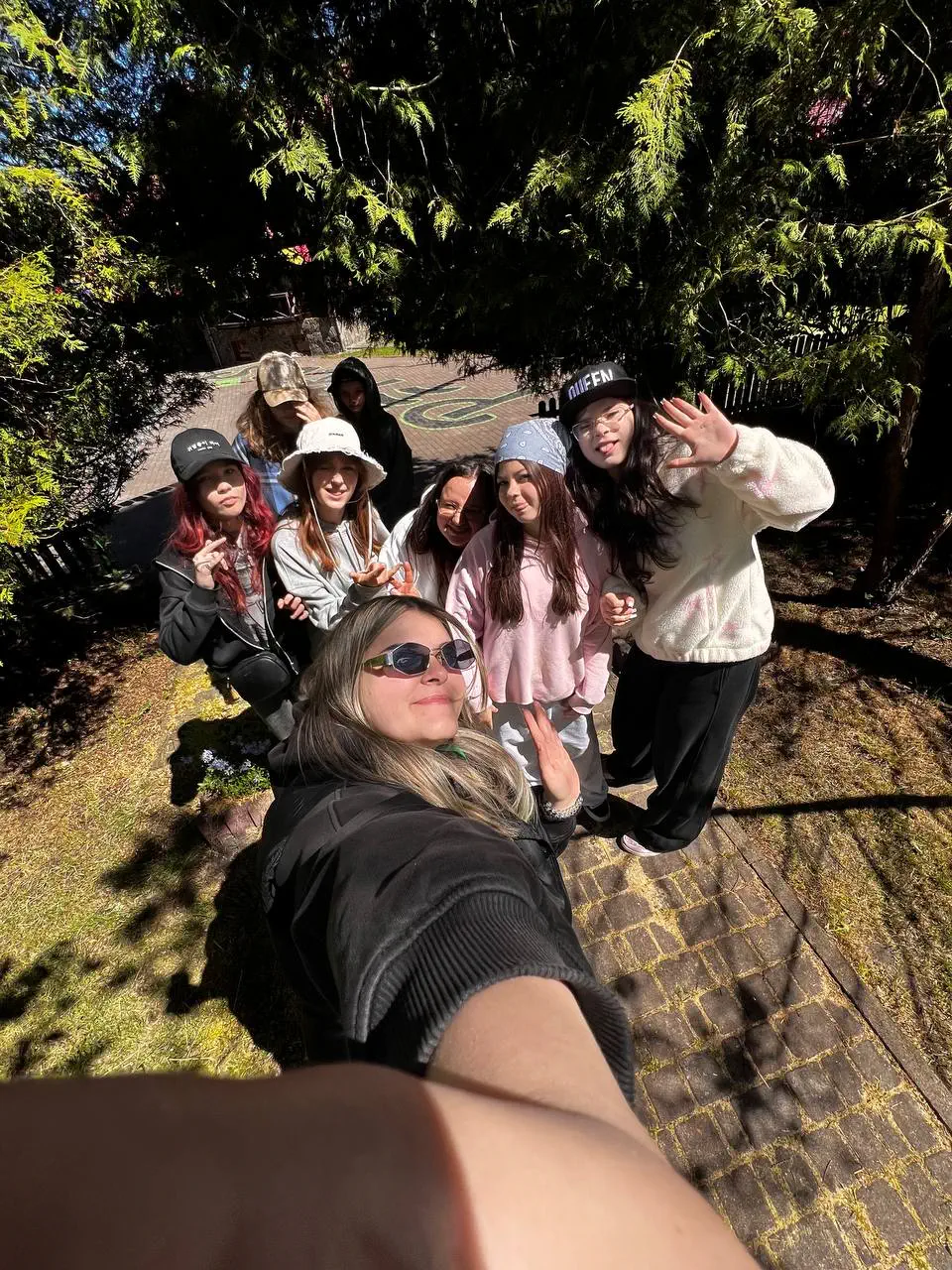
«For the Fund, this is preventative work. It reduces risks that surface much later: post-traumatic reactions, social isolation, dropping out of education and away from peers. A partnership that makes changes like these possible works for far longer than twelve days.»
Tetyana Zarytska, Socialisation and Psychological Support Programme Director, Children of Heroes Fund
«Charitable giving is an integral part of Crédit Agricole Group’s global strategy. We believe that by supporting children affected by the war who have lost those dearest to them, we are investing in Ukraine’s future development. The children’s camps organised together with Children of Heroes Charity Fund have given children an opportunity to recover emotionally, rest, spend time with their peers and enjoy the simple pleasures of childhood. Children are our future, and today we must do everything we can to help make that future strong and happy.»
Crédit Agricole Group Foundation
Thank you
Thank you to the Crédit Agricole Group Foundation for this session.
Psychological recovery projects in a camp format, for children who have lost a father or a mother, remain one of the few settings where psychological work happens in a living environment, alongside peers with a similar experience. Here a child gets the sense of «I’m not the only one», and learns again how to negotiate, make friends and ask for support when it is needed.
